Health
Mary Ahlgren
By Brian McAllister
Advertisement · Why this ad?
Lila Johnson is a seasoned business reporter with a background in finance, having graduated from the University of North Dakota. She has previously worked with local business journals and focuses on small business success stories and entrepreneurial initiatives.
More from Lila →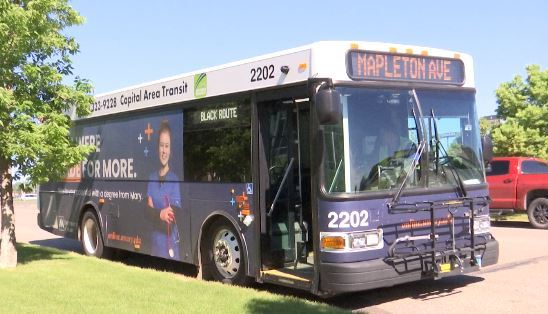
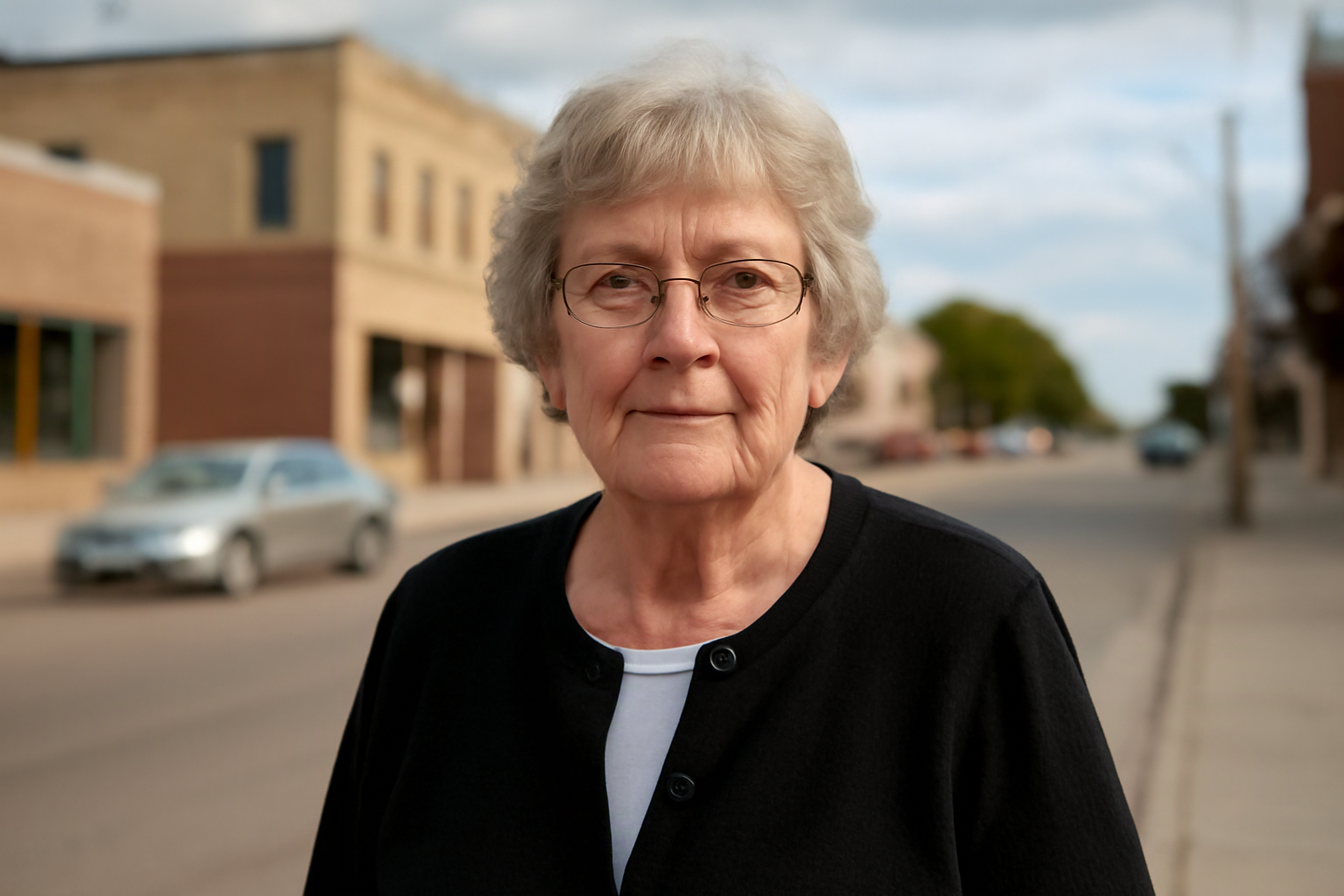
As the sun rises over Fargo, a sense of uncertainty looms for many residents reliant on public transportation for medical needs. For individuals like Mary Thompson, a 73-year-old heart patient, the announcement from Bis-Man Transit has sent shockwaves through the community. Starting November 15, the transit authority will cease accepting Medicaid as a payment source for medical trips, leaving many vulnerable citizens searching for alternatives.
In a recent statement, Bis-Man Transit officials confirmed that the decision to discontinue Medicaid payments for medical transportation is effective from November 15. This announcement has raised alarms among healthcare providers and patients alike, as public transportation plays a crucial role in ensuring access to necessary medical appointments. For many, this change could mean missed appointments and deteriorating health conditions.
Mary Thompson, who relies on Bis-Man Transit for her bi-weekly check-ups, expressed concern about how this decision will impact her health. “I don’t have a car, and without Medicaid covering my rides, I’m not sure how I’ll make it to my appointments,” she lamented. The transit authority’s move is a response to ongoing financial pressures and changes in Medicaid reimbursement rates, which have been a growing concern for transit systems nationwide.
According to Bis-Man Transit, the decision aligns with a broader trend observed in public transportation systems across the country, as many are grappling with budget constraints. The discontinuation of Medicaid as a payment option is not just a local issue; it reflects a national struggle as healthcare and transportation intersect in increasingly complex ways.
The community’s reaction has been swift and emotional. Local healthcare providers, including Fargo-Moorhead Community Health, have voiced their concerns about the ramifications of this decision. Dr. Sarah Jenkins, a family physician, stated, “This change could lead to serious health risks for our patients who depend on public transit. We need to find solutions that keep our community healthy and mobile.”
Community leaders have also rallied to address the issue. Fargo Mayor Tim Mahoney expressed his disappointment, emphasizing the importance of accessible transportation for all citizens. “We must ensure that our most vulnerable populations are not left behind,” he remarked during a recent city council meeting.
Local advocacy groups, such as North Dakota Human Rights Coalition, are mobilizing to find alternative solutions. They are encouraging community members to reach out to local legislators to voice their concerns and demand action. “This is about more than just transportation; it’s about the fundamental right to access healthcare,” stated coalition director, Mark Reynolds.
The decision by Bis-Man Transit to stop accepting Medicaid for medical trips is not just a logistical challenge; it has profound implications for the health and well-being of many residents. For those like Mary Thompson, the loss of this service could mean more than just a missed appointment; it could lead to serious health complications.
Statistics show that transportation barriers are a significant issue in healthcare. According to a report by the Health Affairs Journal, nearly 3.6 million Americans miss medical appointments each year due to lack of transportation. The impact of this decision could ripple through the community, exacerbating existing health disparities.
Moreover, the financial strain on families already burdened by medical expenses could become overwhelming. With the average cost of a missed medical appointment estimated at $150, the economic implications of this decision are staggering. Families may find themselves in a cycle of debt as they attempt to navigate these new challenges.
Mary Thompson's story is just one of many. Another resident, 65-year-old John Martinez, who is battling cancer, also relies on public transport to get to his chemotherapy sessions. “It’s already hard enough dealing with my illness. Now I have to worry about how to get to my treatments,” he shared, reflecting the anxiety many in the community feel. John has been a lifelong resident of Fargo and has always depended on Bis-Man Transit, which he describes as “a lifeline.”
Families are also affected. The Johnson family, who have a child with special healthcare needs, voiced their fears about how the loss of Medicaid coverage for transportation could impact their ability to access necessary therapies. “Every appointment counts for our son’s development. We cannot afford to miss any,” said Lisa Johnson, the boy's mother, highlighting the critical nature of consistent medical care.
In light of these developments, community leaders and advocates are actively seeking solutions to address the transportation gap. One idea gaining traction is the establishment of a local fund to subsidize transportation costs for low-income residents. This initiative could provide a much-needed lifeline for those who find themselves stranded without access to essential services.
Additionally, partnerships with rideshare companies could offer an alternative solution. Local organizations are exploring collaborations with services like Lyft and Uber to provide discounted rides for medical appointments. Such partnerships could bridge the gap for individuals who are unable to afford traditional transportation options.
As the community rallies together, it is evident that the need for accessible transportation is a shared concern. Local churches and faith-based organizations are also stepping in to help, offering volunteer driver programs to assist those in need. This spirit of collaboration reflects the values of commitment and care that define Fargo.
As the November 15 deadline approaches, the urgency to find solutions grows. Community meetings are being organized to discuss the implications of Bis-Man Transit’s decision and to brainstorm potential alternatives. Residents are encouraged to attend and voice their opinions, as collective action will be crucial in addressing this pressing issue.
Moreover, the city is exploring legislative avenues to advocate for better funding for public transportation systems. Local leaders are hopeful that by working together, they can influence policy changes that will benefit the community as a whole. Activists are planning to host a rally to raise awareness and gather support for those affected by this decision, emphasizing the need for immediate action.
In the meantime, individuals like Mary Thompson are left anxiously awaiting the outcome. “I just hope something changes before it’s too late,” she shared, a sentiment echoed by many in the community. The resilience of Fargo’s residents will undoubtedly shine through as they confront this challenge together, holding fast to their commitment to one another and the values that bind them. As the community navigates this turbulent time, the stories of those affected will serve as a reminder of the critical intersection of healthcare and transportation, and the urgent need for solutions that prioritize the well-being of all residents.